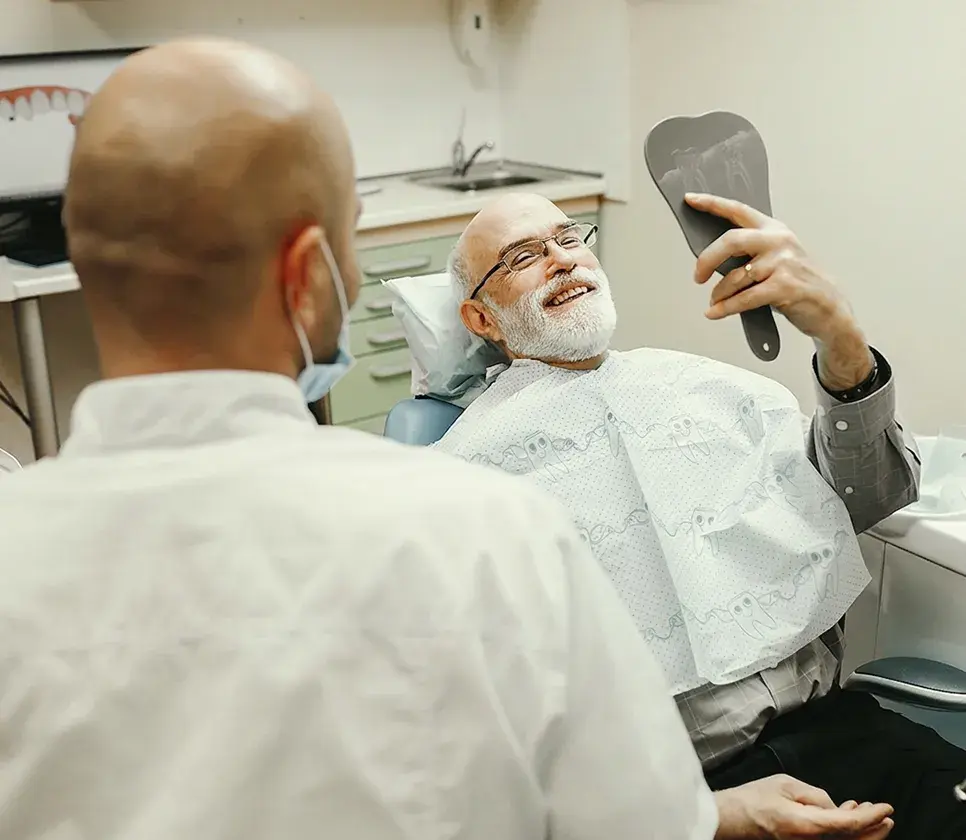
Dental implants
Bone grafting
A straightforward, well-established step that rebuilds jawbone where it's been lost, so implants have a strong foundation.
In plain language
What bone grafting is
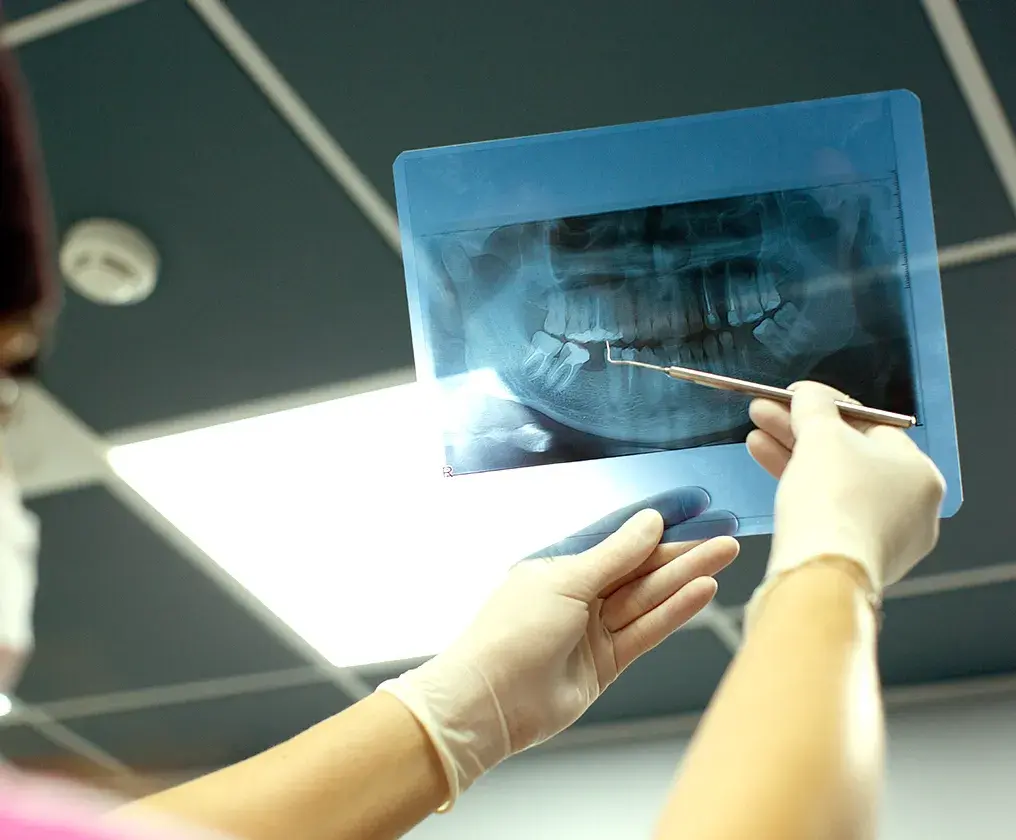
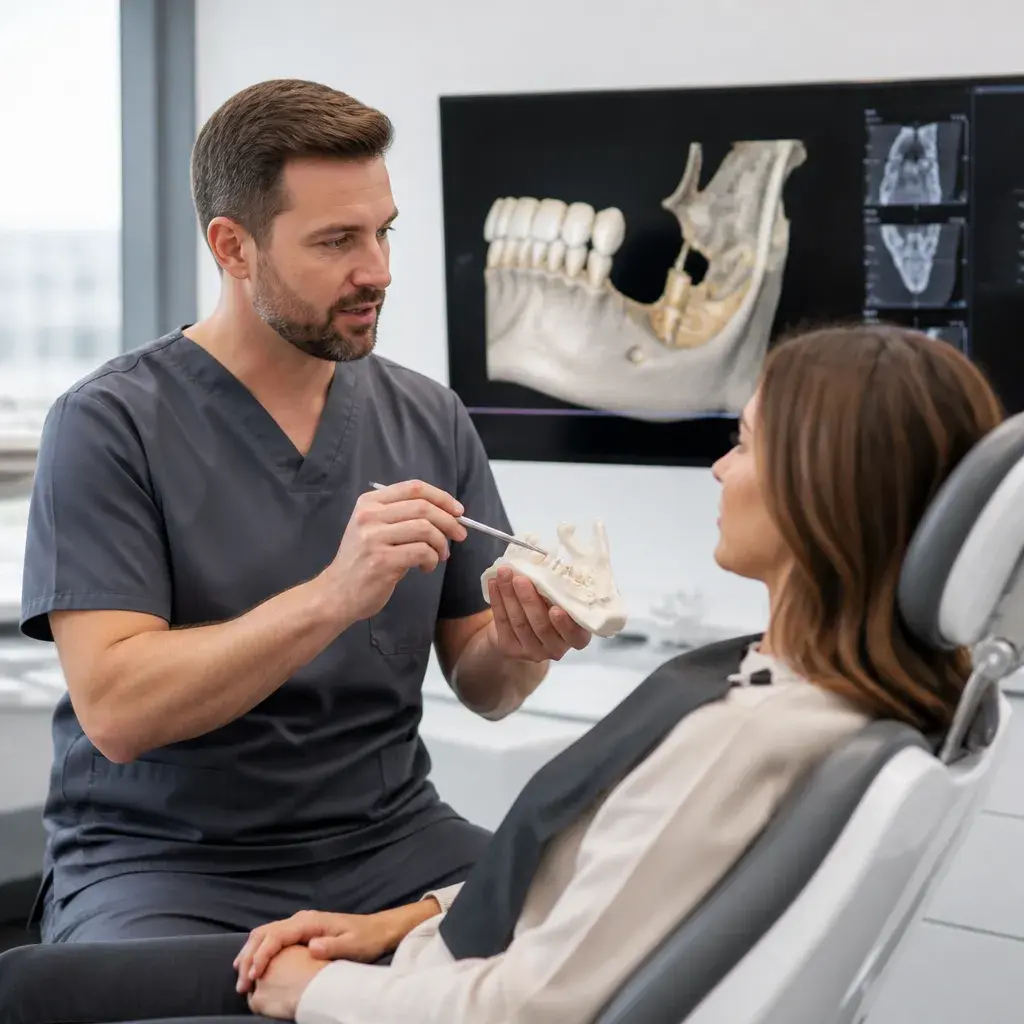
When a tooth has been missing for a while, the jawbone in that area can shrink. Bone grafting rebuilds it.
It creates a solid base so a dental implant can be placed securely, and it's a common, routine part of implant treatment.
Worth the visit
Why it's sometimes needed
An implant needs enough healthy bone to anchor into. Where bone has been lost, grafting first gives the implant the strong foundation it needs for long-term success, skipping it risks the implant failing.
Makes implants possible
Where bone has been lost, grafting enables treatment.
A strong foundation
Sets implants up for long-term success.
Routine and gentle
A well-established, comfortable procedure.
Is this right for you?
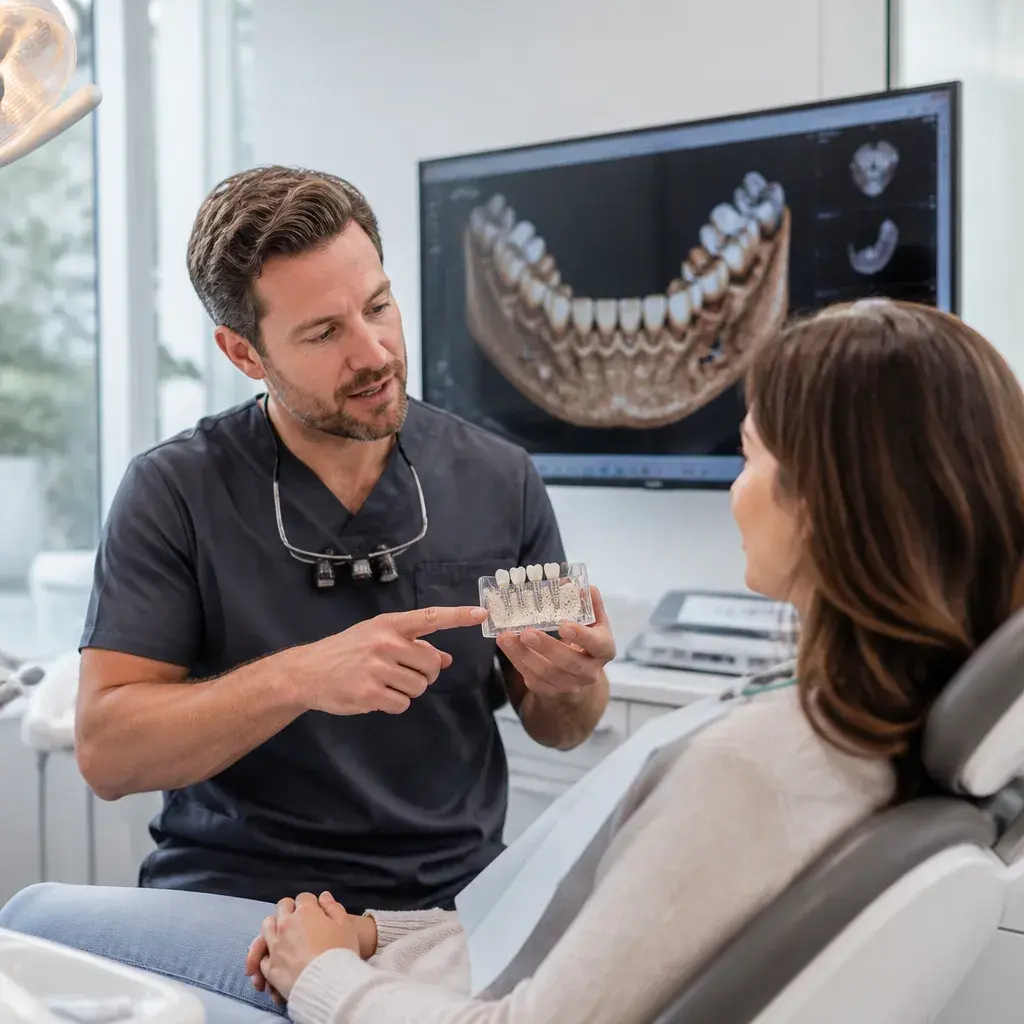
You may need a graft if…
- You've been missing a tooth for some time
- Imaging shows there isn't enough bone for an implant
- You're planning an implant or full-arch treatment
- A tooth is being removed and the site preserved
- Your dentist has flagged bone loss in the area
A calm, step-by-step process
How bone grafting works
- 1
Assess
Imaging shows whether grafting is needed for your implant.
- 2
Plan
We explain exactly what's involved and why.
- 3
Graft
The area is gently built up, fully numbed.
- 4
Heal
The graft integrates over a few months.
- 5
Proceed to implant
Once healed, your implant can be placed.
Honest about what to expect
Recovery & aftercare
Expect some mild swelling and tenderness for a few days, easily managed. The graft then needs a few months to heal before the implant goes in. We'll be honest about the timeline and aftercare so there are no surprises.
Thinking about a bone graft?
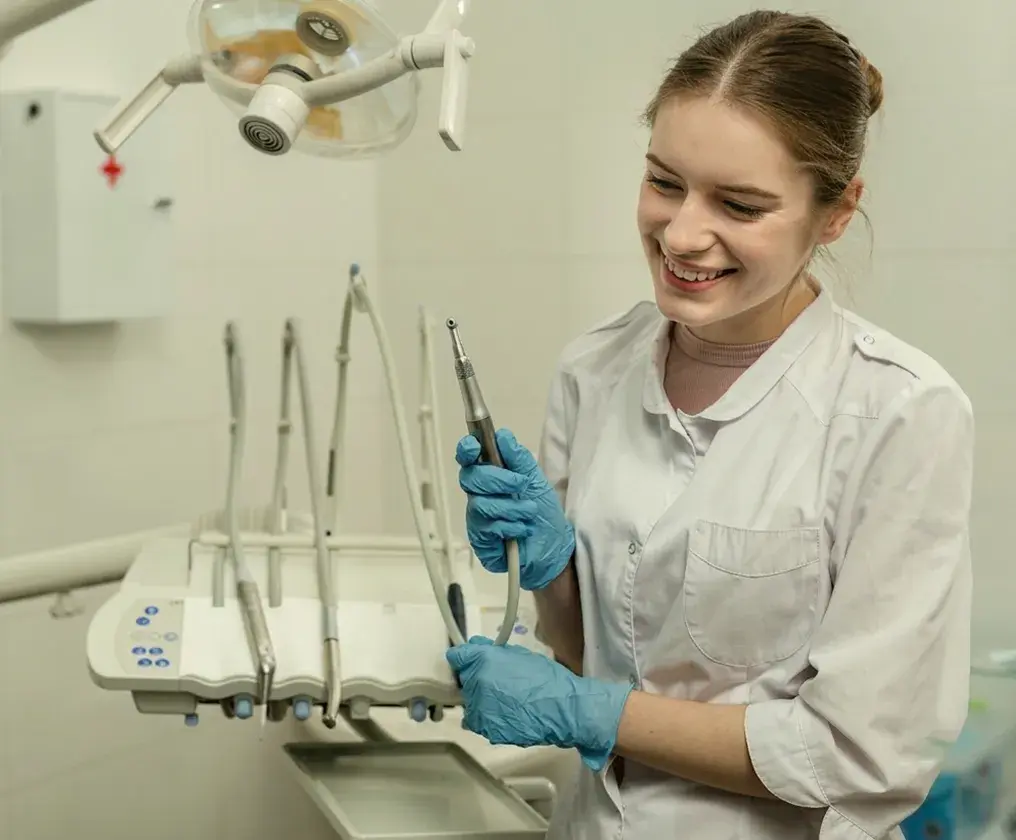
I haven’t been to the dentist in years. I was embarrassed and anxious. The team here made me feel completely at ease — no judgement, just kindness.How we look after nervous patients →
No surprises
Clear on cost, before anything begins
You'll get a clear written estimate before anything goes ahead. We claim through HICAPS, and for larger treatment we offer payment plans through HUMM and Fund My Dental.
See our fees & health fund information →Common questions
Questions about bone grafting
Why do I need a graft?
Bone can shrink after tooth loss; grafting rebuilds it for an implant.
Is it painful?
It's gentle and numbed, with simple aftercare.
How long before my implant?
Usually a few months of healing first.
Does every implant need one?
No, only when there isn't enough bone, we'll check.
Explore more
Related care
Caring for St Kilda East and the surrounding suburbs. See the areas we serve →
We’re here whenever you’re ready
Book a consultation and we'll be in touch within one business day.
364 Dandenong Rd, St Kilda East VIC 3183
Opening hours
- Monday8.30am – 5.00pm
- Tue – Wed8.30am – 6.00pm
- Thu – Fri8.30am – 5.00pm
- Saturday9.00am – 4.00pm
- SundayClosed
Caring for families on the corner of Dandenong Road since 1980, across Melbourne's inner south-east.
Ready to feel at home at your dentist?
Read up before you decide
Clear, judgement-free guides from our library — no jargon, no scare tactics, no selling.